TWO SHRIMP FARMS / BUILT FROM FIELD EXPERIENCE
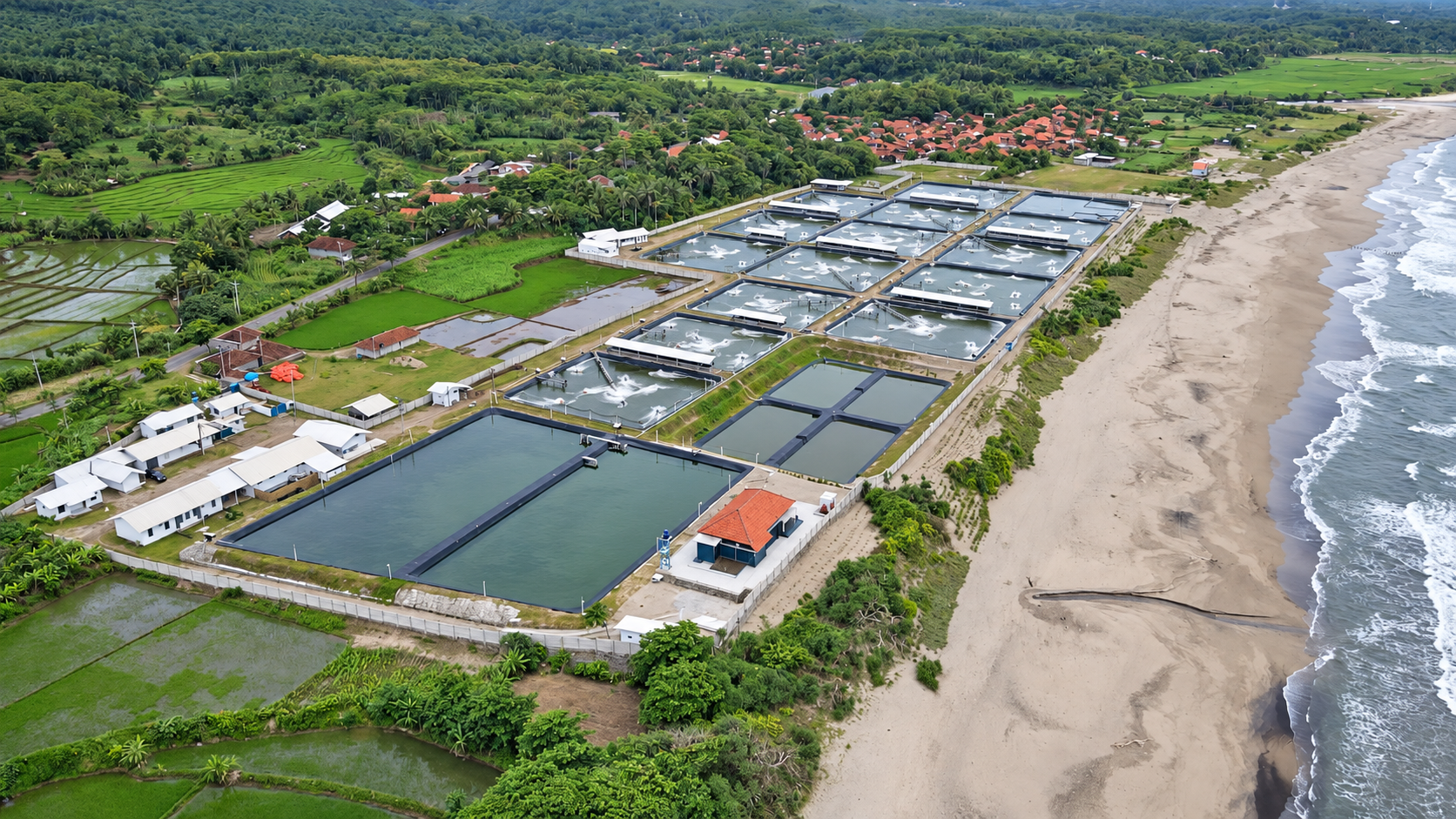
We farm shrimp.
We build AI
around the work.
Our team talks to AI in Telegram. It turns field observations into records, re-analyzes water conditions and recommends treatments. People still do the work at the pond.
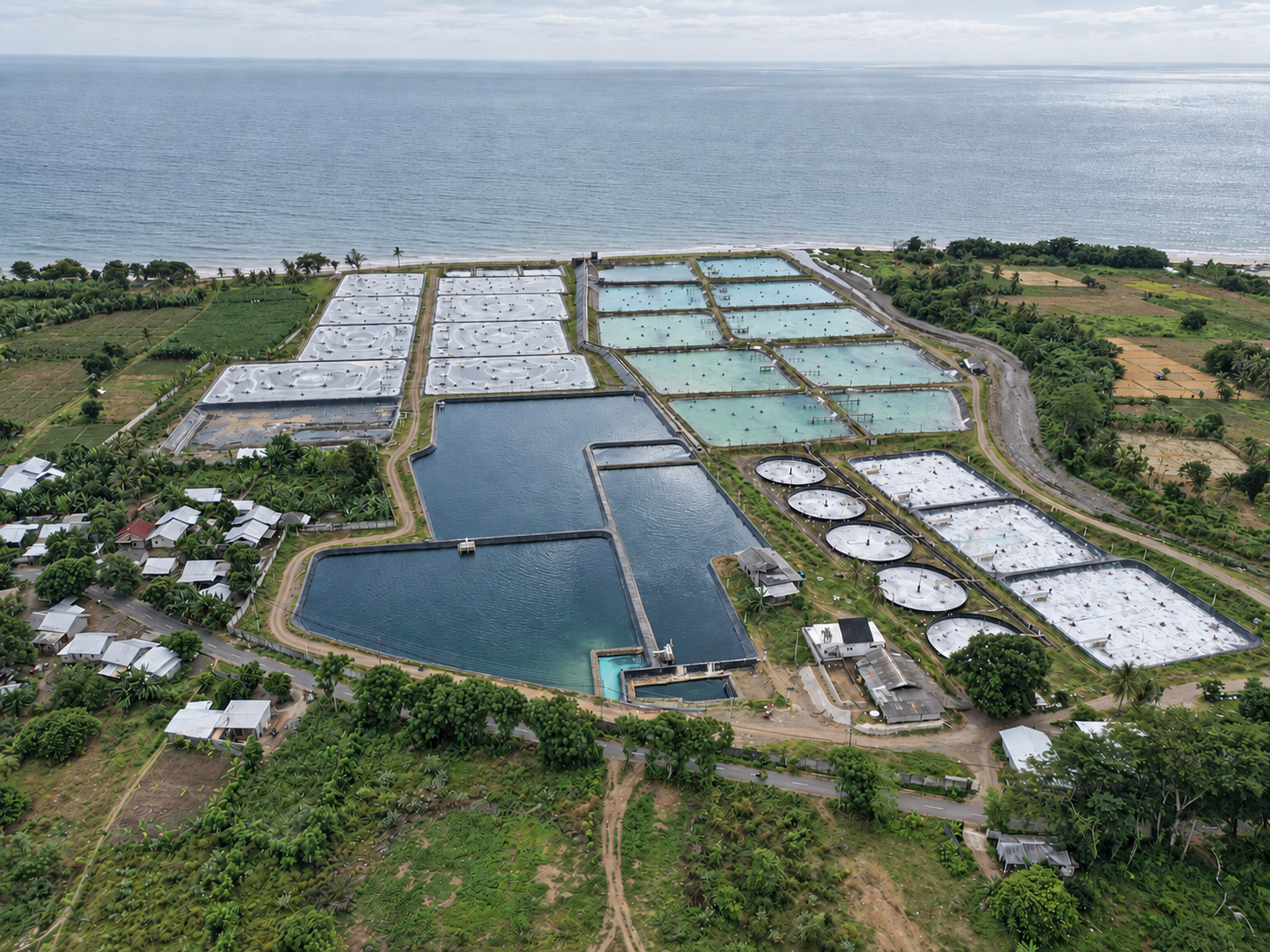
PT Sinar Putra Samudra · Two farms.
Built by a shrimp farmer, for the people at the ponds.
I’ve been farming
shrimp since 2012.
Over the past two years, I’ve been working to bring AI into our farm systems. The problem I kept running into was simple: too much software stopped at logging data. Getting the team to use it was another job in itself.
Our team already talks in Telegram groups. So that’s where we put the AI. They can report what they see at the pond in a conversation, instead of having to learn another application and enter the same information again.
We’re building this around our two farms at PT Sinar Putra Samudra. The goal is less time entering data, and more useful decisions from the observations our team already makes.
Reynard Suharja Shrimp farmer · Building the SPS AI system
The team should spend more time at the ponds.
Less time filling in an app.
From a Telegram message
to the next treatment decision.
The workflow we’re building around: report, record, analyze, recommend, then check what happened.
- 01FIELD TEAM → TELEGRAM
Tell the AI what you measured.
The team reports the pond, water readings and conditions in the group: pH, temperature, other water parameters, and what they notice in the field.
- 02AI → SUPABASE
Turn the conversation into a record.
The AI logs reported data in Supabase, keeping it with the pond and cycle history so the team does less manual data entry.
- 03READINGS + TREATMENT HISTORY → ANALYSIS
Re-analyze the water conditions.
Current pH and temperature are considered alongside other water parameters and treatment history. A reading has context beyond a single number.
- 04AI → FIELD TEAM
Recommend the next treatment.
The AI sends treatment recommendations and estimates tomorrow’s pH using the available readings and treatment information. Recommendations guide the team’s decisions; a prediction is an estimate to check.
- 05FIELD WORK → NEXT OBSERVATION
Do the work. Report the result.
People take the measurements and carry out the physical work. The next readings and reports of what was actually done give the AI new information to reassess the treatment.
Our Telegram farm workflow is the basis for this product. The public web demo uses sample records and rule-based analysis; it does not run the farm AI, predict pH or apply treatments. The web interface is still in development.
Explore sample water recordsWe tried sensors.
Saltwater had other plans.
We previously built an IoT setup, but the equipment failed too quickly in the saltwater environment. For now, we rely on our team to collect and report the readings.
That shaped the system. Automate the logging, analysis and preparation of recommendations. Make it easy for people to report what only they can observe, and leave the physical work with the field team.
People observe and act.
AI connects the records and re-analyzes.
Talk to the farmer
building it.
I’m Reynard Suharja. If you work in aquaculture or are building AI
for the field, I’d like to hear what you’re working on.